Why CEFTER exists
Training the people who
cut post-harvest losses.
To promote teaching, research and extension in post-harvest sciences, and to enhance agricultural productivity and industrial output for the socio-economic advancement of Nigeria and Africa.
- One of 24 World Bank Centres
- Multi-disciplinary training model
- Mandatory industry internship
- 7-member Advisory Board
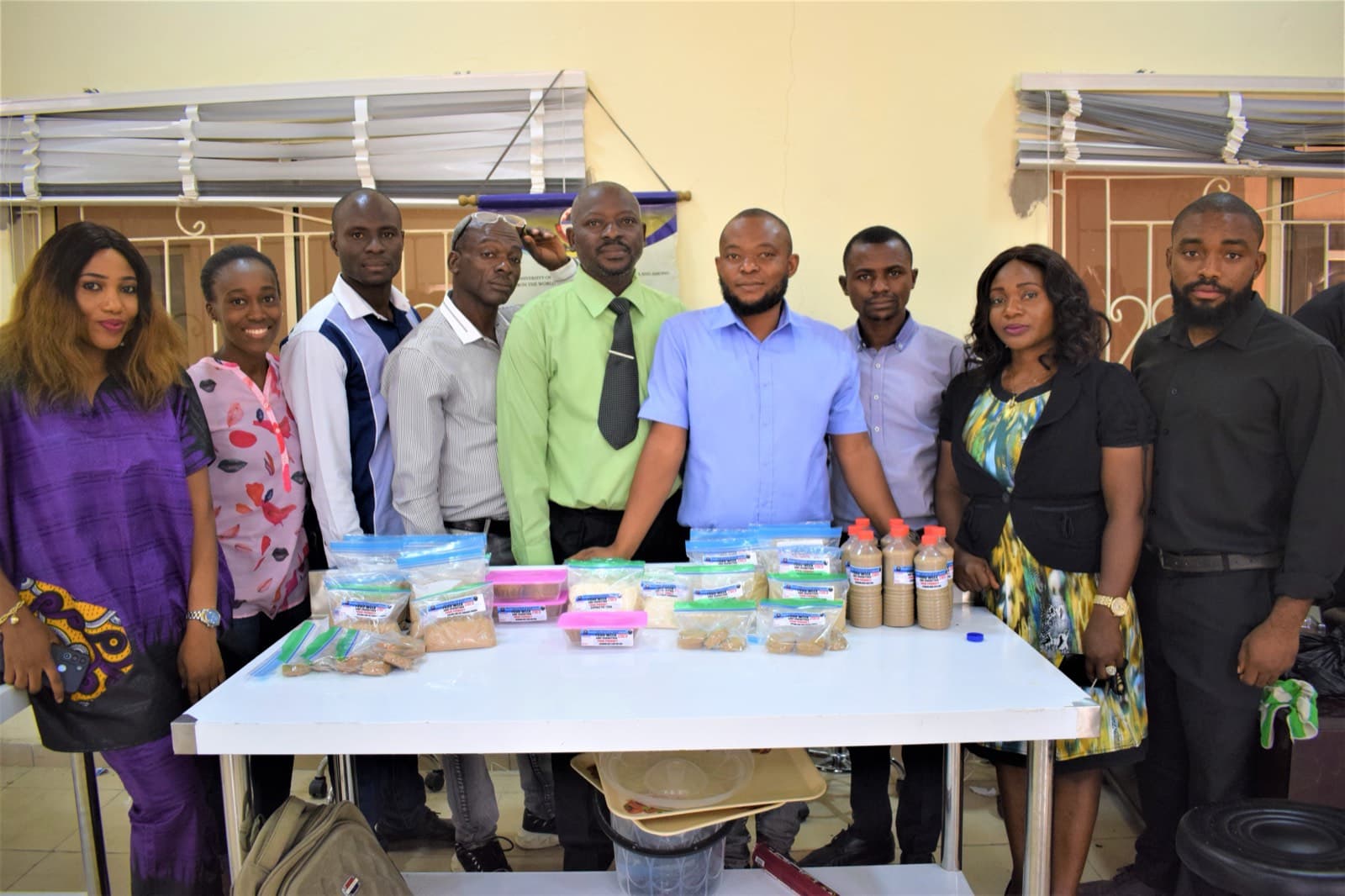
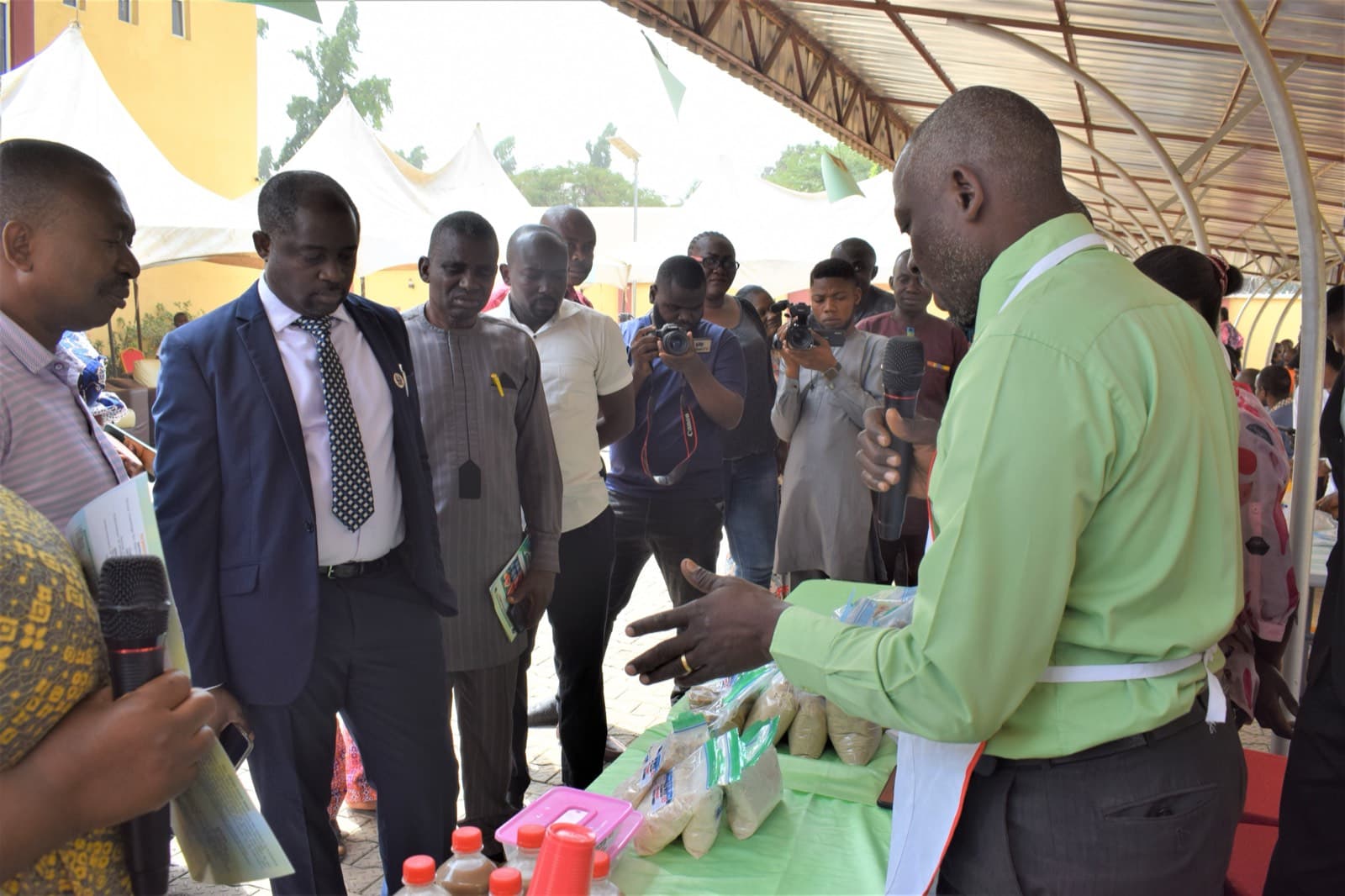
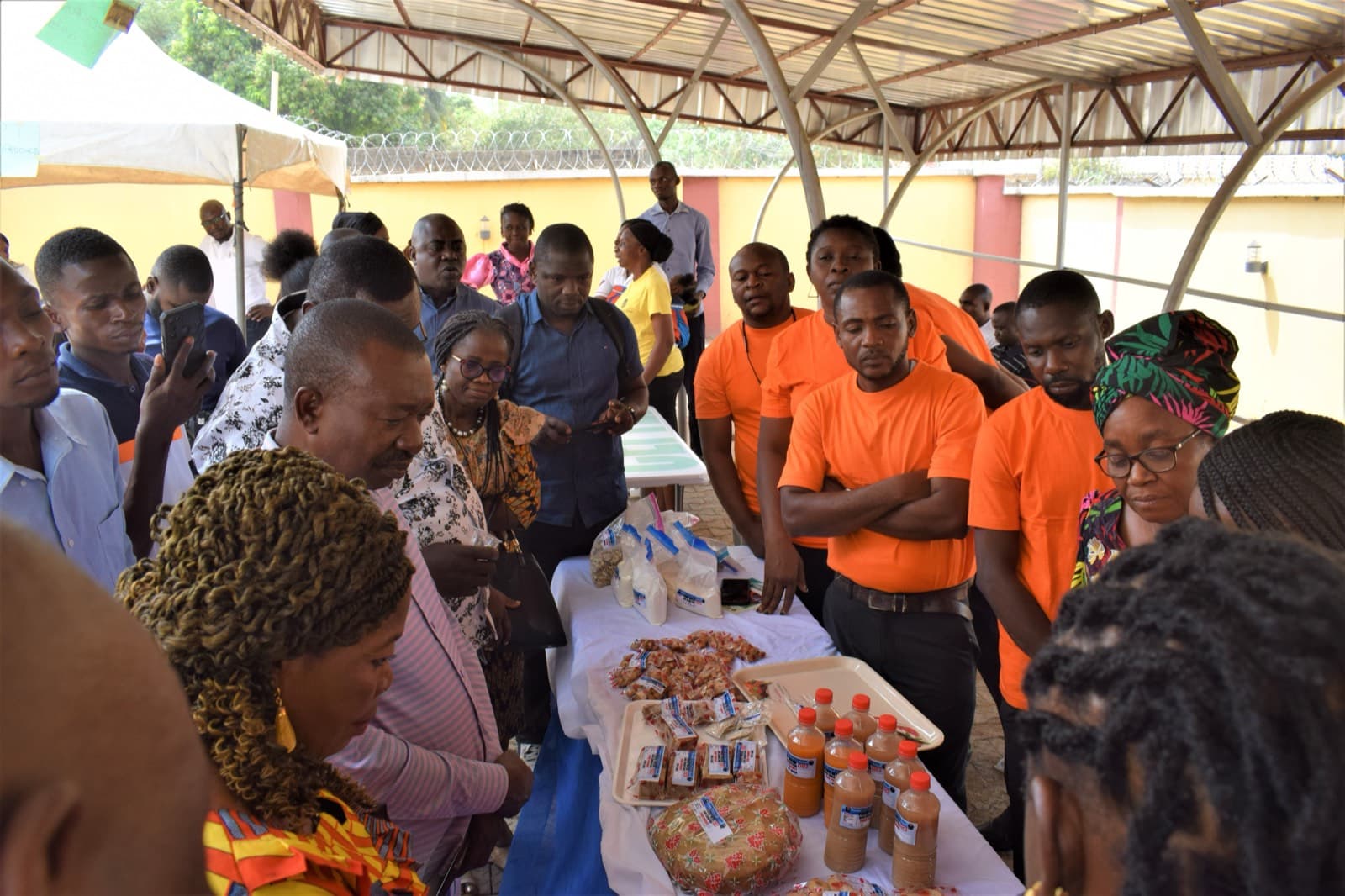
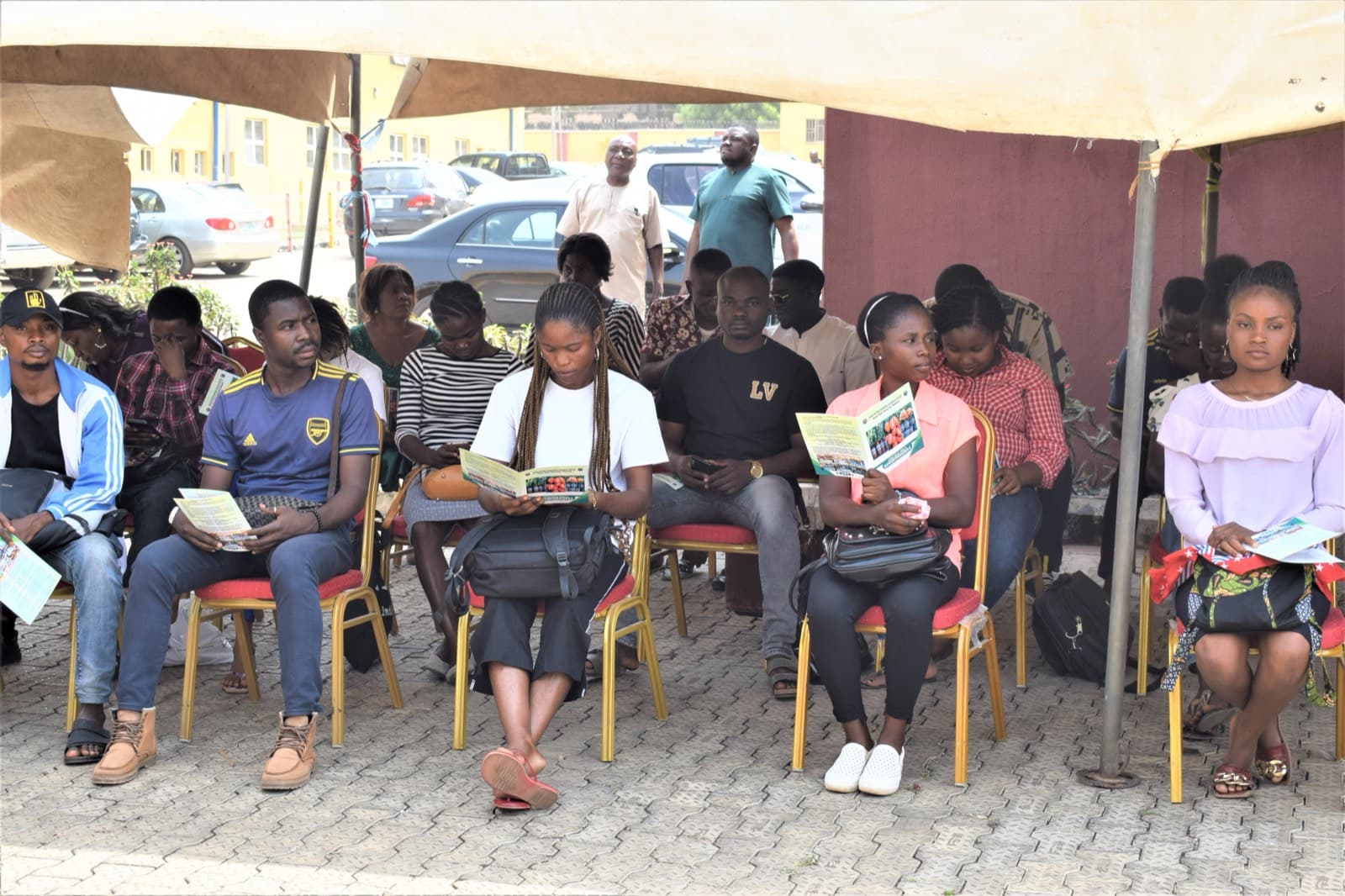
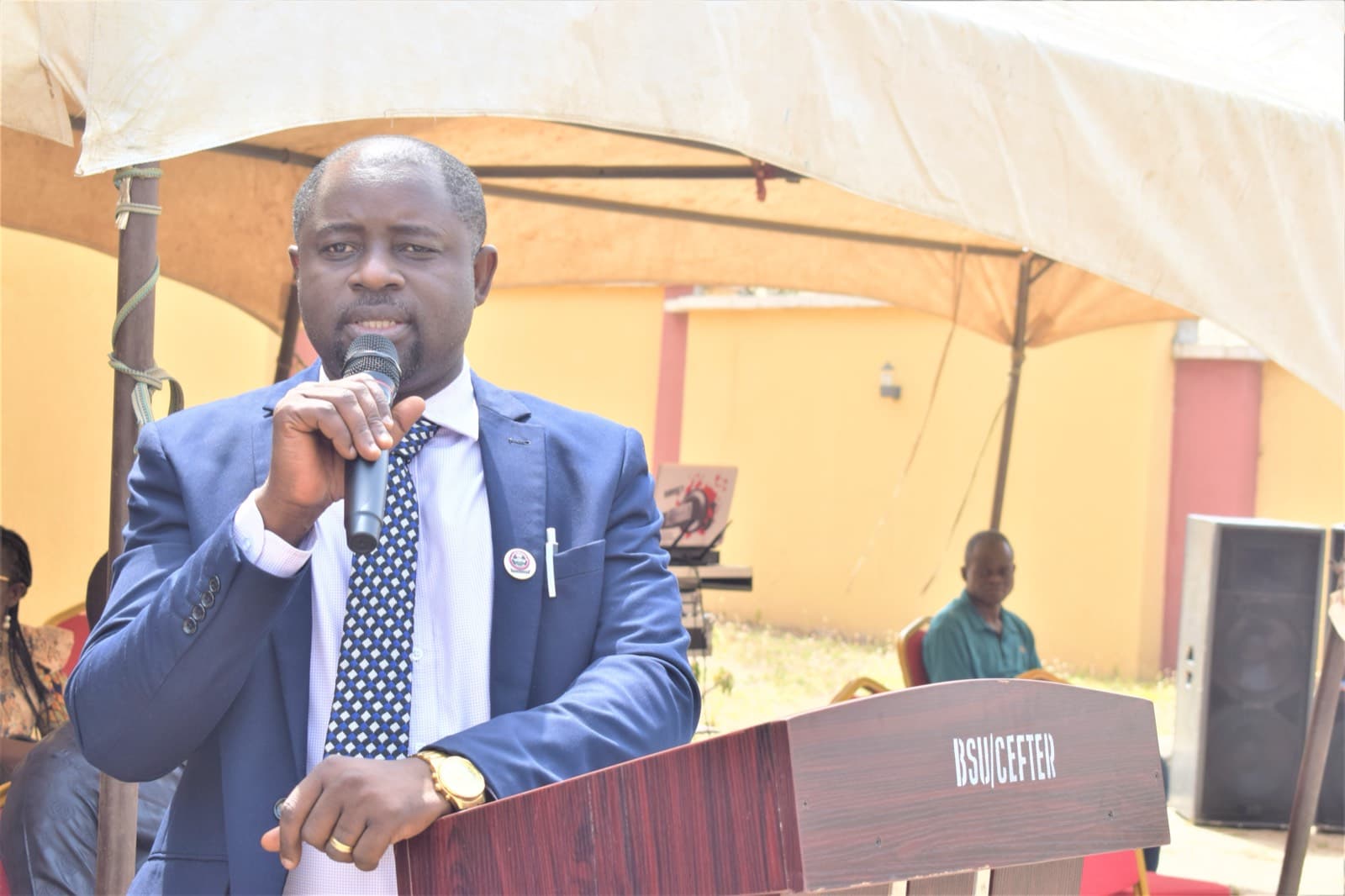
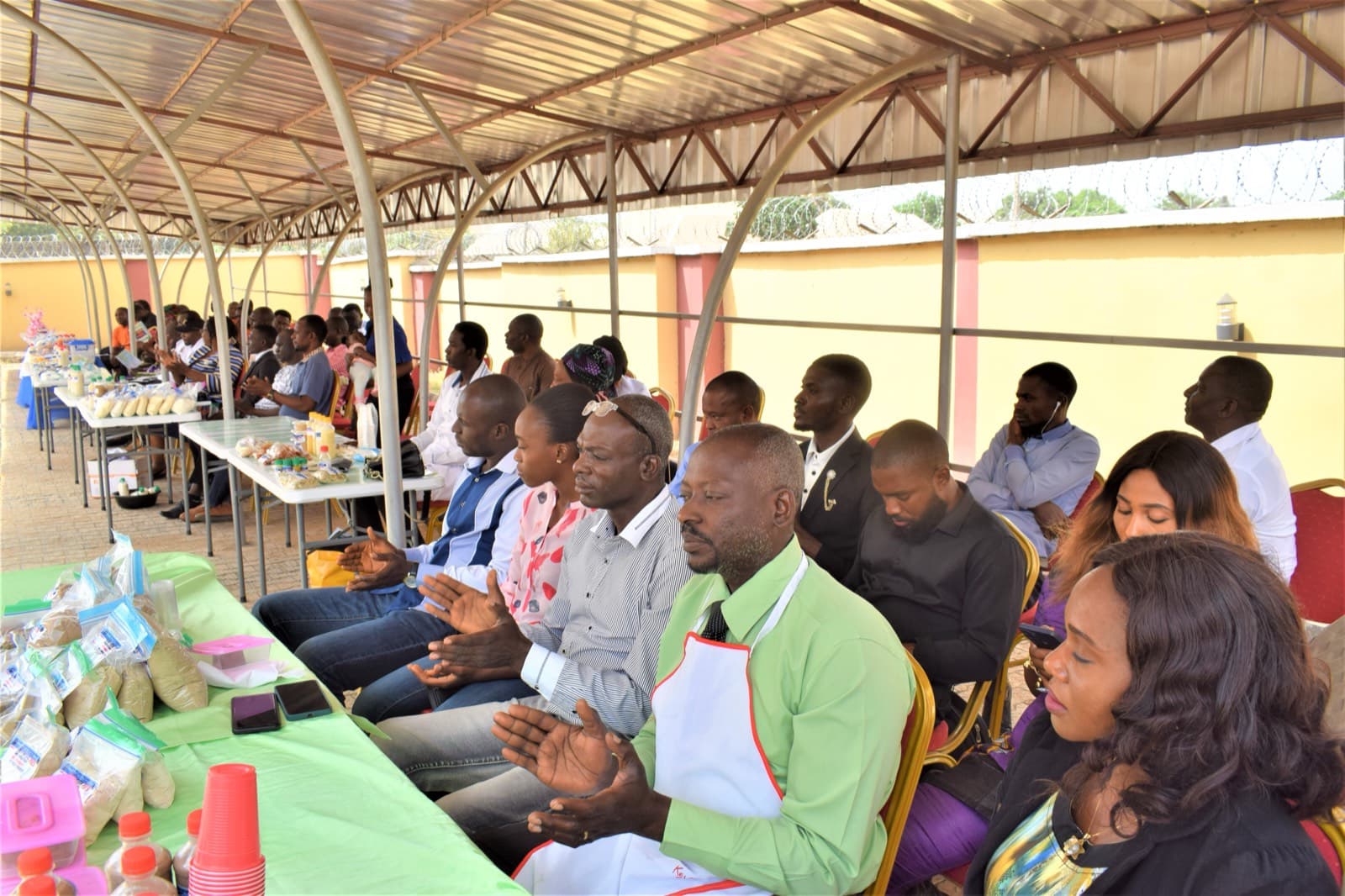
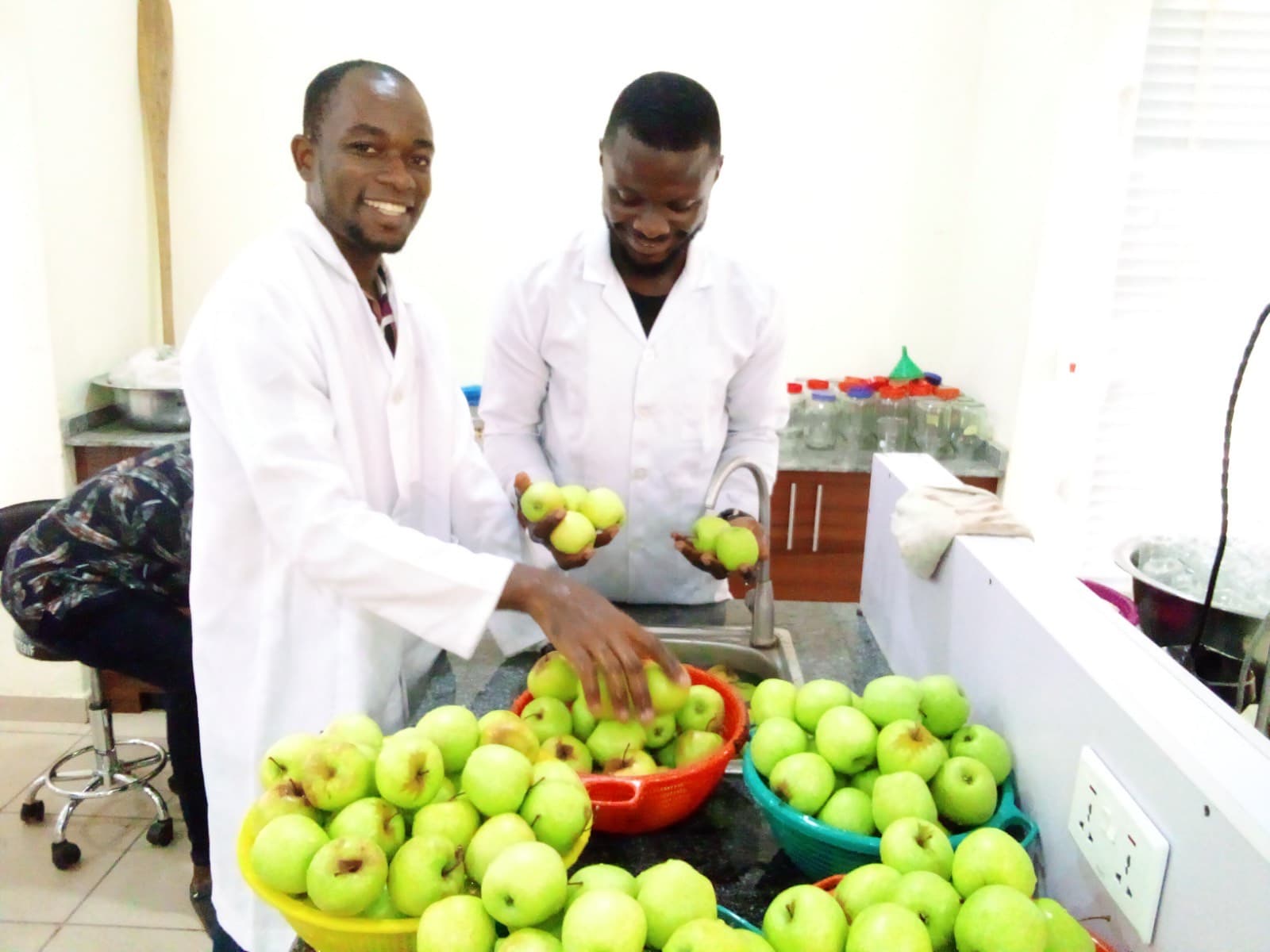
Photos: CEFTER Food Week and Exhibition, 2023
The problem it addresses
Addressing post-harvest food loss
CEFTER trains both high- and lower-level manpower to address food waste across West and Central Africa. It was one of 24 Centres selected through a competitive World Bank process among more than 150 universities in the region, with the objective of improving the quality of higher education tied to post-harvest loss reduction.
The Centre runs a multi-disciplinary training model that pairs core university professors with industry-based experts, from curriculum design through to a mandatory industry internship, so graduates leave with both research depth and hands-on production experience.
Our mandate
To promote teaching, research and extension in post-harvest sciences, and to enhance agricultural productivity and industrial output for the socio-economic advancement of Nigeria and Africa.
Our Facility
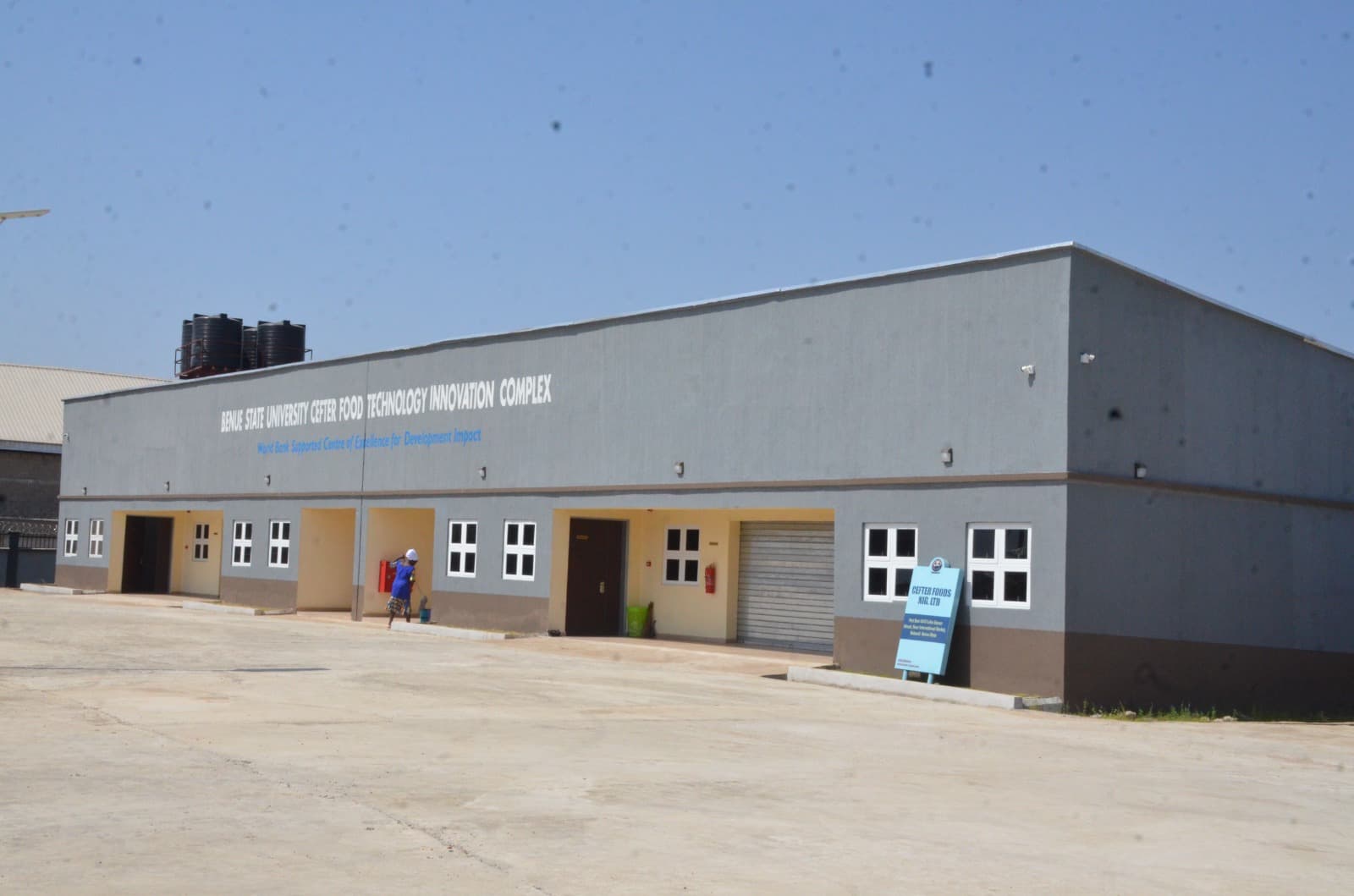
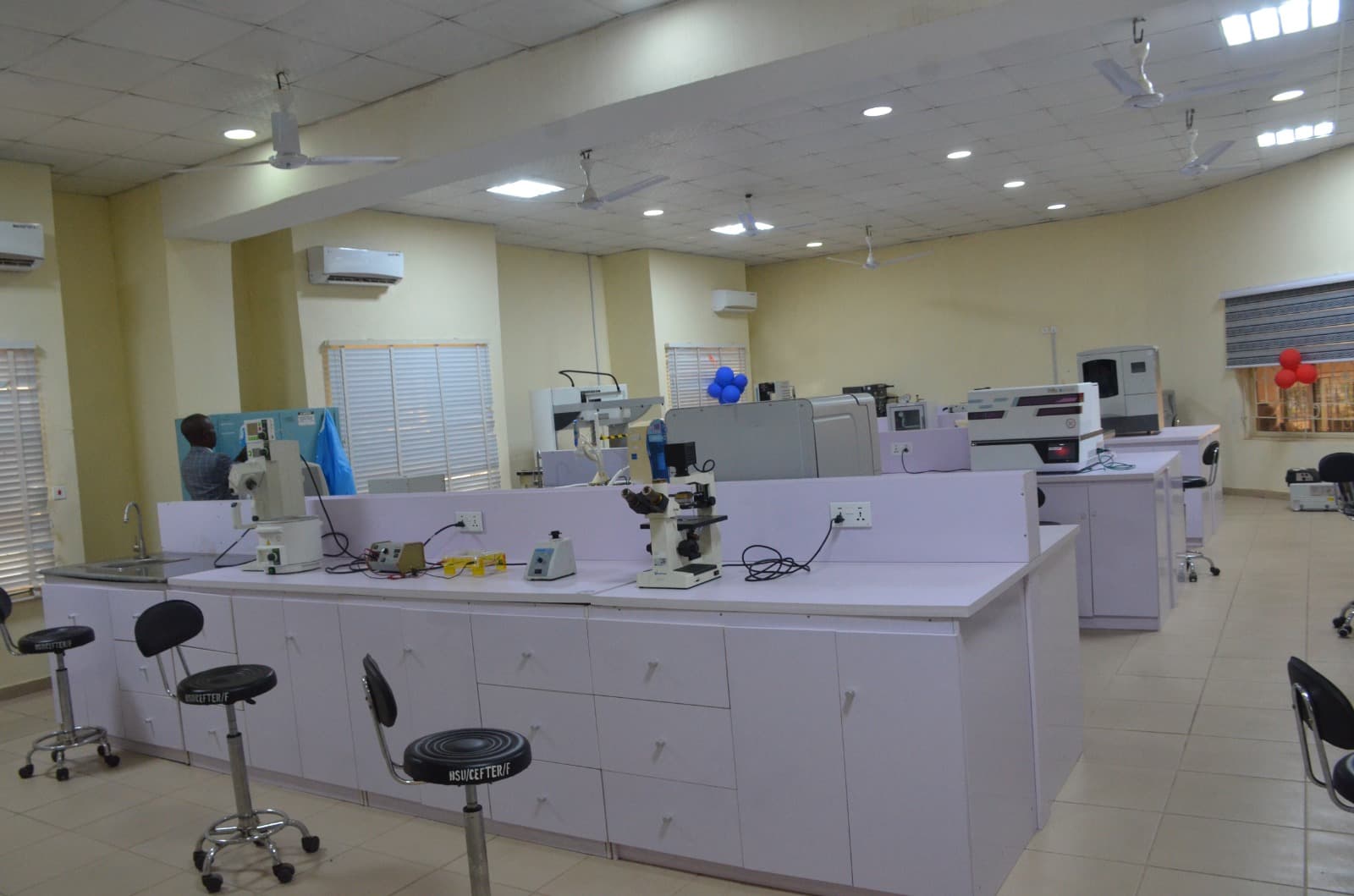
The CEFTER Food Technology Innovation Complex
A World Bank-supported centre of excellence for development impact, on the Benue State University campus.
500+
Graduates trained
30+
Research projects
15+
Industry partners
10+
Farmers reached (thousands)
Figures as published on the Centre's own website — broader in scope than the postgraduate-only enrolment totals shown on the CEFTER home page.
Objectives
Educational, research and outreach goals
- 1
Develop a critical mass of well-trained African students in the control of post-harvest losses.
- 2
Empower African researchers to identify technologies that reduce post-harvest losses.
- 3
Develop technologies through applied research for reducing post-harvest losses.
- 4
Engage communities, farmers and industries in the dissemination of post-harvest-loss technologies.
Governance
Sectorial Advisory Board
Senior academics, industry leaders and policy experts providing strategic oversight for the Centre's post-harvest-loss mission.
Prof. Ode Ojowu
Chairman, Sectorial Advisory Board
Prof. Barnabas A. Ikyo
Director/Centre Leader, ACE Impact Project — Member/Secretary
Mr. Iorwakwagh Apera
National Coordinator, National Social Safety Nets, Federal Ministry of Humanitarian Affairs & Disaster Management
Air Commodore Titus Agbecha (Rtd)
MD/CEO, Seraph Oil Nigeria Limited
Chief Mrs. Helen Awuna
Farmers' Cooperative Alliance
Mrs. Rosemary Waku
Director, IPPR, Joseph Sarwuan Tarka University, Makurdi
Dr. Tim Chancellor
Natural Resource Institute, University of Greenwich, UK